
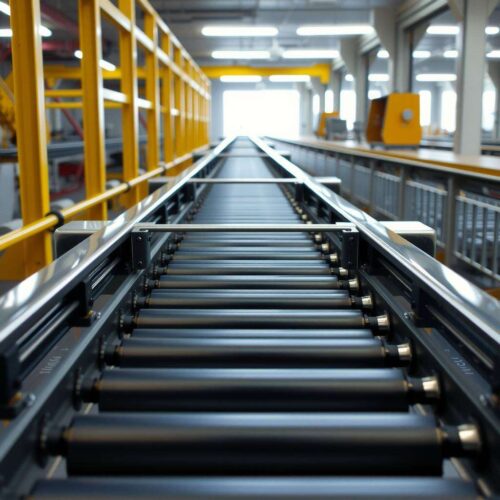
Belt conveyors are an indispensable part of modern industry, providing efficient material handling solutions across a multitude of sectors. From manufacturing to warehouses, these systems streamline processes, improve productivity, and enable enhanced workflow. In this guide, we will explore the various types of belt conveyors, their uses, and the benefits they offer to businesses. Understanding these elements can help organisations make informed decisions when investing in belt conveyor systems.
Types of Belt Conveyors
Belt conveyors come in numerous configurations, each designed for specific applications. Below are some of the most common types:
Flat Belt Conveyor
The flat belt conveyor is the most prevalent type used across various industries. Characterised by a continuous belt made of a flexible material, it is often employed for transporting items on a level surface. These conveyors are ideal for moving lightweight to moderate loads and can be easily integrated into assembly lines and packaging applications.
Inclined Belt Conveyor
Inclined belt conveyors are specifically designed to transport materials at an angle, bridging the gap between different elevation levels. This type is commonly used in industries where there is a need to move products from lower to higher areas, such as in bulk material handling and food processing. The angle of inclination can be customised based on the application, ensuring smooth and efficient transportation.
Heavy Duty Belt Conveyor
For applications that involve transporting very heavy loads, heavy duty belt conveyors are the answer. Built with robust materials and components, these conveyors can bear significant weight without compromising efficiency. They are commonly used in mining, quarrying, and manufacturing industries that require reliable and durable solutions for handling large materials.
Warehouse Belt Conveyor
Warehouse belt conveyors are specifically designed to facilitate the efficient movement of goods within distribution and storage facilities. These systems play a crucial role in optimising inventory management, improving order fulfilment, and reducing manual labour. Warehouse belt conveyors can be configured as flat or inclined systems, depending on the layout and workflow of the warehouse.
Uses of Belt Conveyors
Belt conveyors have a broad range of applications across various industries, including but not limited to the following:
Manufacturing
In manufacturing settings, belt conveyor systems are utilised to transport components between different stages of production. Whether it’s moving raw materials to assembly lines or transferring finished products for packaging, these conveyors enhance operational efficiency and minimise downtime.
Food and Beverage Processing
In the food and beverage sector, belt conveyors are essential for transporting products through various processing stages while adhering to strict hygiene standards. Specialised designs, such as food-grade belts, ensure the safety and integrity of consumables. Inclined belt conveyors are often used to elevate items to appropriate processing heights.
Mining and Quarrying
Heavy duty belt conveyors are pivotal in mining and quarrying operations, where large volumes of raw materials need to be moved efficiently. These conveyors can handle abrasive materials and the rugged conditions typical of mining sites, providing a reliable solution for transporting everything from coal to gravel.
Bulk Material Handling
For industries dealing in bulk materials, such as agriculture or construction, belt conveyors offer a seamless solution for moving large quantities quickly. These systems can be tailored to meet specific requirements, ensuring efficiency in loading, unloading, and transportation.
Benefits of Belt Conveyors
Investing in belt conveyor systems can yield numerous benefits for businesses, enhancing productivity and operational efficacy.
FAQ about Belt Conveyors
What is a belt conveyor?
A belt conveyor is a type of mechanical handling equipment that moves materials from one location to another using a continuous loop of material, known as a belt. The belt is typically made from various materials such as rubber, fabric, or metal and operates on pulleys and rollers.
How does a belt conveyor work?
A belt conveyor works by using two or more pulleys to wrap the conveyor belt around itself. One pulley drives the movement of the belt while the other acts as an idler. As the driving pulley rotates, it pulls the attached belt forward, which then conveys materials along its length.
What are the main components of a belt conveyor?
The main components of a belt conveyor include:
- Belt: The surface that carries materials.
- Pulleys: Used to drive and redirect the motion of the belting.
- Rollers: Support sections of belting between pulleys.
- Drive mechanism: Motors or gear systems that provide power for movement.
- Frame: Provides structural support for all components.
What are some common applications for belt conveyors?
Belt conveyors are widely used in various industries including manufacturing, logistics, mining, and food processing. Common applications include moving bulk materials (like gravel or grain), transporting products down assembly lines, and loading/unloading cargo at ports.
How do I choose the right type of belting material?
Choosing suitable belting material depends on factors including:
- The nature of materials being transported (weight and texture).
- Operating environment (temperature extremes, exposure to chemicals).
- Required durability and flexibility.Consulting with manufacturers can help ensure you select an appropriate belting material for your specific needs.
Can I customise my belt conveyor system?
Yes! Belt conveyors can be highly customised based on specific requirements. Adjustments can be made in terms of size (length/width), inclination angle, speed control mechanisms, housing enclosures for safety purposes, and specialised features like side walls or cleats to aid in carrying certain types of products.
What maintenance is required for optimal performance?
Routine maintenance tasks include:
- Regular inspection for wear-and-tear on belts.
- Lubricating bearings associated with rollers/pulleys.
- Checking tension levels ensuring proper alignment across rollers/pulleys.Maintenance schedules should follow manufacturer recommendations to extend service life.
Are there safety considerations when using bell conveyors?
Yes! Key safety considerations include:
- Proper training for operators on safe use.
- Installing guards around moving parts like pulleys/rollers to prevent accidents.
- Following appropriate load limits specified by manufacturers
- Conducting regular inspections based on industry regulations to ensure optimal functionality without hazards present .
For detailed guidelines about maintaining safety practices consult OSHA regulations relevant within your jurisdiction!
By addressing these questions thoroughly you should gain valuable insight into understanding how effective these systems can become while ensuring operational efficiencies remain constant throughout their journey!
A belt conveyor is an essential component in many industrial applications, providing efficient material handling from one point to another. Proper maintenance is crucial to ensuring its longevity and performance. For insights into common issues and solutions related to belt conveyor damage, check this resource: https://foundations.martin-eng.com/en/knowledge/conveyor-belt-damage. Understanding the preventive measures can significantly impact your operation’s efficiency and reduce costs associated with repairs.
Increased Efficiency
Belt conveyors facilitate continuous material movement, which significantly speeds up production and reduces bottlenecks. By automating the transport of goods, businesses can focus resources on more critical areas, such as quality control and product development.
Flexibility and Customisation
Belt conveyor systems can be tailored to meet specific operational needs. With a variety of design options, including inclined and flat configurations, businesses can optimise the layout of their facilities. This adaptability makes it easier to incorporate new processes or modify existing workflows.
Reduced Operational Costs
By implementing belt conveyors, companies can reduce labour costs associated with the manual handling of materials. Over time, this can lead to considerable savings, especially in environments where large quantities of items are moved regularly.
Improved Workplace Safety
Belt conveyors enhance workplace safety by minimising manual lifting and reducing the risk of accidents associated with handling heavy loads. This reduction in physical strain not only protects employees but also decreases the likelihood of equipment damage and downtime.
Enhanced Product Quality
The seamless handling of materials with belt conveyors helps to maintain product quality during processing and transportation. With fewer handling points, the risk of product damage is significantly reduced, ensuring that businesses can deliver high-quality goods to their customers.
Finding a Reliable Belt Conveyor Manufacturer
When looking for belt conveyors, it’s essential to partner with a reputable manufacturer. Conducting research will help identify suppliers that offer quality solutions tailored to specific industry needs. Resources like “belt conveyor systems for sale” and “belt conveyors UK” can guide you towards leading manufacturers that provide durable and efficient systems. Investing in a well-designed conveyor can significantly impact operational success and overall profitability in your business.
A belt conveyor is an essential piece of equipment in various industries, facilitating the efficient movement of materials. Its design allows for smooth operation and adaptability, making it ideal for transporting products across different distances. Whether for heavy-duty applications or light materials, selecting the right belt conveyor is crucial for optimizing productivity. Discover more about advanced solutions, including specialized components like the drive pulley, at https://www.item24.com/en-us/drive-pulley-flat-belt-conveyor-8-40-120-70507.
A belt conveyor is an essential component in various industries, efficiently transporting materials over long distances. Its design ensures smooth operation and minimal downtime, making it an ideal choice for optimizing workflow. For more information on belt conveyor systems, visit https://conveyorrollers.co.uk.