
High-level Glazing

Why Condensation Forms on Atrium Glass and What It Tells You

Water on the inside of an atrium roof gets reported as a leak more often than anything else, and about half the time it isn’t one. It’s condensation, which is a different fault with a different fix, and telling them apart early saves a pointless search for a hole that was never there. The useful part is that condensation is diagnostic. Where it forms tells you something specific about the
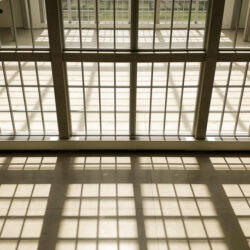

Solar Control Glass in Atria: Cooling an Overheating Space

An atrium is a greenhouse with a reception desk in it. That’s not a criticism of the design, it’s the physics of putting a large area of glass over a tall enclosed space, and on a clear June afternoon the consequence is obvious to everyone standing underneath. Overheating in an atrium is harder to fix than overheating anywhere else in a building, because the usual response of adding cooling is

How Often Should a Commercial Atrium Be Inspected?

Ask three glazing contractors how often an atrium should be inspected and you’ll get three answers, all of them starting with annually and all of them hedged. That’s not evasion. The honest answer depends on the building, and anyone who gives you a single interval without asking about yours is quoting a default. Still, there are sensible starting points, and there are clear reasons to move away from them. Annual

Hotel Atria: Keeping Repairs Out of the Guest Experience

A hotel atrium is doing a lot of work. It’s the first thing a guest sees, it’s where the bar is, it’s the reason half the rooms were sold with a view onto it, and it’s often the only daylight the middle of the building gets. It’s also a glazed roof over a space that never closes, which means every repair on it is a hospitality problem before it’s a