
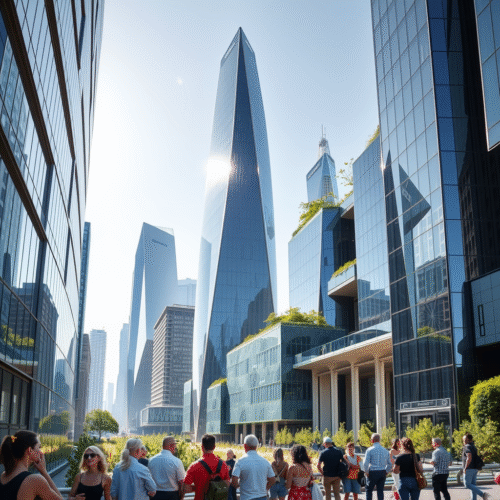
In recent years, architectural glazing has emerged as a pivotal component in modern design, evolving from mere functional elements to dynamic components that contribute to aesthetics, sustainability, and efficiency in buildings. As society increasingly prioritises environmental impacts and energy efficiency, architectural glazing products have been at the forefront of innovation. This article will explore the advancements in architectural glazing and how they are influencing the future of modern design.
Architectural Glazing: A Foundation of Modern Architecture
Architectural glazing refers to the various types of glass used in building façades, windows, and other structures. Its role goes beyond just being a transparent medium; it defines the visual relationship between the inside and outside of a building, influencing how natural light enters a space. With a growing emphasis on open, airy environments, particularly in urban settings, the demand for large glass surfaces has skyrocketed. Architectural glazing helps meet both aesthetic desires and practical needs, offering clarity, durability, and a connection to the surrounding environment.
Moreover, advancements in engineering and material science have allowed architectural glazing to fulfil stricter energy codes and environmental standards. The integration of innovative materials, such as low-emissivity (Low-E) coatings and triple-glazed units, further enhances energy performance while ensuring comfort and livability inside spaces.
Architectural Glazing Company: Pioneering Innovation
Leading architectural glazing companies are setting the standards for what is possible in modern architectural designs. These companies are not just suppliers; they are innovators working closely with architects and designers to create customised solutions that enhance both form and function.
For example, many architectural glazing companies are now incorporating smart technology into their products. Dynamic glazing, also known as electrochromic glass, can change its tint based on external sunlight conditions. This innovation not only enhances user comfort by controlling glare and heat but also contributes to energy savings by reducing reliance on artificial lighting and HVAC systems. Such technologies represent a significant advancement in architectural glazing, making buildings more adaptable and energy-efficient.
Furthermore, many architectural glazing companies are investing in research and development to create environmentally friendly products. Sustainable glazing options, such as recycled glass and those made from bio-based materials, are increasingly popular. These innovations not only help meet the growing demand for sustainable construction practices but also inspire architectural designs that promote harmony with the environment.
Architectural Glazing Products: Bridging Functionality and Aesthetics
Architectural glazing products are far more diverse than traditional windows and facades. Innovations now lead to a range of products, such as structural glass, curtain walls, and even glass floors. Each offers unique benefits, allowing architects to explore design possibilities that were once deemed impractical.
For instance, structural glass allows for the creation of load-bearing walls that rely solely on glass for support. This capability enables the design of expansive open spaces devoid of standard structural elements like columns. In urban environments, where space is a premium, such designs can create a sense of openness and fluidity that enhances user experience.
Curtain walls have also received a makeover thanks to modern technology. These systems are often customisable, allowing architects to craft visually stunning facades that meet both design and performance criteria. By integrating thermal insulation and innovative framing systems, curtain walls can push the boundaries of what is achievable in skin-depth and visual clarity.
Moreover, transparent solar panels are making waves in architectural glazing products. These panels serve a dual purpose, functioning both as a glazing element and a source of renewable energy. Integrating energy-producing elements into architectural glazing reflects a growing trend toward multifunctionality, where materials serve more than one purpose.
Energy Efficiency and Sustainability
As climate change concerns grow, energy efficiency in buildings has become critical. Architectural glazing is now seen as a cornerstone of sustainable design. Implementing high-performance glazing products can significantly reduce energy consumption in heating, cooling, and lighting.
For instance, using advanced window technologies, such as vacuum glazing and insulated glass units, can help minimise thermal bridging and heat loss. These products are designed to keep buildings comfortable while reducing reliance on energy-intensive systems, making them ideal for eco-friendly developments.
In addition, passive solar design—leveraging sunlight for heating—can be effectively realised with the right choice of glazing. Architectural glazing products can be strategically placed to maximise sunlight during winter while mitigating heat gain during summer, thus enhancing overall energy efficiency.
FAQ: Architectural Glazing
What is architectural glazing?
Architectural glazing refers to the use of glass in building structures and facades, emphasising aesthetics, functionality, and energy efficiency. It includes windows, curtain walls, glass doors, skylights, and other glass applications in architecture.
What are the benefits of architectural glazing?
The benefits of architectural glazing include improved natural light entry, enhanced aesthetic appeal, energy efficiency through insulation properties, sound insulation capabilities, and opportunities for innovative designs that blend indoor and outdoor spaces.
What types of glass are used in architectural glazing?
Common types of glass used in architectural glazing include tempered glass for safety and strength; laminated glass for security and UV protection; insulated glazed units (IGUs) for thermal performance; low-emissivity (Low-E) coatings to improve energy efficiency; and decorative or specialty glasses such as tinted or patterned options.
How does architectural glazing contribute to energy efficiency?
Architectural glazing contributes to energy efficiency by utilising double or triple-glazed windows that provide excellent insulation. Low-E coatings reflect heat while allowing light in. Properly designed shading devices can also minimise solar heat gain during hot weather while maximising passive heating during colder months.
Can architectural glazing enhance building safety?
Yes! Architectural glazing can enhance safety through the use of laminated or tempered glass that is resistant to impact damage. Security films can also be applied to existing windows to deter break-ins. Furthermore, fire-rated glazings are available for compliance with safety regulations in commercial buildings.
Is there a difference between storefronts and curtain walls concerning architectural glazing?
Yes! Storefronts are typically low-rise applications made from a combination of framing materials with large panes of glass at pedestrian level—commonly found on retail spaces—while curtain walls are non-structural exterior cladding systems attached to buildings’ framework that spans multiple floors.
How do I choose the right type of architectural glazing for my project?
Choosing the right type involves considering various factors such as budget constraints, design goals (e.g., aesthetic preferences), climate conditions (thermal properties), intended usage (commercial vs residential), local building codes or regulations related to safety standards—and consulting with an experienced architect can significantly assist this process!
What maintenance does architectural glazing require?
Maintenance requirements depend on the type but generally include regular cleaning using soft cloths without harsh chemicals—to prevent scratches—and periodic inspections looking out for seals’ integrity between panes will help avoid leaks/losses over time preventing dampness which may degrade performance long-term!
Can I install architectural glazing myself?
While simple window replacements might seem doable by homeowners themselves depending upon skillset & tools availability [always confirm procedures first], installations involving larger sections like curtain wall systems usually need professional expertise due their complexity ensuring proper support structures comply with local codes avoiding potential risks later down-the-line/unsafe conditions created inadvertently!
Architectural glazing plays a crucial role in modern building design, enhancing both aesthetics and energy efficiency. This innovative approach involves the use of glass to create striking façades, maximizing natural light while minimizing heat loss. Effective architectural glazing can transform ordinary structures into visually stunning landmarks, making it a popular choice among architects. For those looking to explore advanced architectural glazing solutions, visit https://www.urbansquare.net/ for expert insights and high-quality products that elevate any architectural project.
The landscape of architectural glazing is evolving rapidly, driven by an increasing emphasis on sustainability, energy efficiency, and innovative design. Architectural glazing companies play a crucial role in shaping this future, offering a variety of products that bridge the gap between functionality and aesthetics. As innovations continue to reshape architectural practices, it is clear that architectural glazing will remain an essential element in crafting spaces for future generations.