
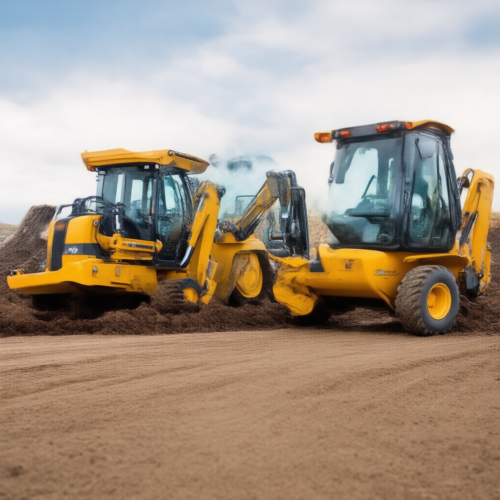
Selecting the appropriate plant and machinery for your construction project can be the difference between success and failure. Whether you are undertaking a large-scale construction project or a small renovation, the right equipment is crucial for maintaining efficiency and achieving the desired results. In this article, we’ll guide you through the essential considerations for selecting the best plant and machinery for your next job.
Assess Your Project Requirements
Before delving into the various types of plant and machinery available, it’s important to fully understand the specific requirements of your project. Factors to consider include:
-
Project Size: Determine the scale of your project. Larger projects may require heavy-duty machinery such as excavators, bulldozers, or cranes, while smaller jobs might only need compact equipment like mini diggers or cherry pickers.
-
Type of Work: Different tasks demand specific types of plant machinery. Comprehend the primary activities involved—be it excavation, lifting, paving, or demolition—and choose tools that are specialised for those tasks.
-
Site Conditions: Assess the location and conditions of the worksite. Residential areas may have restrictions on noise and machine size, while rural sites might offer more flexibility but require equipment suitable for uneven terrain.
Project Size: Determine the scale of your project. Larger projects may require heavy-duty machinery such as excavators, bulldozers, or cranes, while smaller jobs might only need compact equipment like mini diggers or cherry pickers.
Type of Work: Different tasks demand specific types of plant machinery. Comprehend the primary activities involved—be it excavation, lifting, paving, or demolition—and choose tools that are specialised for those tasks.
Site Conditions: Assess the location and conditions of the worksite. Residential areas may have restrictions on noise and machine size, while rural sites might offer more flexibility but require equipment suitable for uneven terrain.
New vs. Used Plant Machinery
When shopping for plant and machinery, one of the primary decisions you will face is whether to purchase new or used equipment.
New Equipment
Investing in new plant machinery has its advantages, such as advanced technology, warranties, and longer lifespans. However, it also comes with a higher price tag. In the UK plant and machinery sales market, new machines are available from various manufacturers and dealers, offering the latest innovations designed to enhance productivity and efficiency.
Second Hand Plant and Machinery
On the other hand, exploring second hand plant and machinery for sale can present significant savings. Many dealers offer robust used plant sales options where machines are thoroughly inspected and refurbished. This avenue can provide quality equipment for a fraction of the cost of new models. However, be diligent in your examination of history and condition, as older machinery might entail higher maintenance costs.
Evaluate Equipment Specifications
Once you have narrowed your options, scrutinising each unit’s specifications is essential. Ensure that the plant equipment for sale meets your operational requirements, such as:
-
Power and Efficiency: Analyze engine capacity and fuel efficiency to estimate operating costs over time.
-
Load Capacity: Verify the load and lifting capacities to ensure that the machinery can handle the maximum weight you expect during operations.
-
Dimensions: For restricted sites, consider the physical dimensions of the machinery. Verify that it can easily navigate tight spaces while still being effective for the job at hand.
Power and Efficiency: Analyze engine capacity and fuel efficiency to estimate operating costs over time.
Load Capacity: Verify the load and lifting capacities to ensure that the machinery can handle the maximum weight you expect during operations.
Dimensions: For restricted sites, consider the physical dimensions of the machinery. Verify that it can easily navigate tight spaces while still being effective for the job at hand.
Consider Rental Options
For short-term projects or unique tasks, renting plant and machinery might be a viable alternative to purchasing. Many firms offer plant and equipment rentals, allowing you to access top-tier machinery without the long-term commitment.
When it comes to optimizing your construction projects, having access to reliable plant & machinery is crucial. Whether you’re looking to buy or rent, make sure to choose a partner who understands your needs. Explore top-quality options at https://www.sjhallplant.com for the best solutions.
Benefits of Renting
-
Cost-Effective: Renting can be significantly more affordable, particularly for short-term projects. You’ll avoid upfront costs associated with purchasing and the overhead of maintenance.
-
Access to Advanced Models: Renting gives you the flexibility to use the latest models with cutting-edge technology that can improve job efficiency.
-
No Long-Term Commitment: You can readily adjust equipment decisions based on your project scale without the constraints of ownership.
Cost-Effective: Renting can be significantly more affordable, particularly for short-term projects. You’ll avoid upfront costs associated with purchasing and the overhead of maintenance.
Access to Advanced Models: Renting gives you the flexibility to use the latest models with cutting-edge technology that can improve job efficiency.
No Long-Term Commitment: You can readily adjust equipment decisions based on your project scale without the constraints of ownership.
Check the Reliability of Suppliers
When considering plant machinery sales in the UK or renting options, working with reputable suppliers is vital. Conduct thorough research to evaluate potential suppliers’ reliability. Key aspects to focus on include:
-
Customer Reviews: Look for customer testimonials and reviews that speak to the supplier’s service quality.
-
After-Sales Support: A good supplier should offer robust after-sales support, including access to repairs, spare parts, and maintenance services.
-
Warranty and Guarantees: Whether you’re purchasing new or second hand plant and machinery for sale, always confirm the warranties attached to the equipment. This protects your investment in the long run.
Customer Reviews: Look for customer testimonials and reviews that speak to the supplier’s service quality.
After-Sales Support: A good supplier should offer robust after-sales support, including access to repairs, spare parts, and maintenance services.
Warranty and Guarantees: Whether you’re purchasing new or second hand plant and machinery for sale, always confirm the warranties attached to the equipment. This protects your investment in the long run.
When it comes to reliable plant & machinery for your construction projects, look no further than www.sjhallplant.com/. Our extensive range ensures you have the right equipment for any job, whether you’re purchasing or renting. Trust us to provide high-quality, well-maintained plant & machinery that meets your needs and helps your projects run smoothly.
Maintenance and Support Services
Lastly, consider the maintenance and support services associated with the machinery. Regular maintenance is key to ensuring longevity and performance. The best plant and machinery should come from suppliers who offer ongoing support, including:
-
Regular Service Intervals: Understand the maintenance schedules and what is necessary to keep the equipment in optimal condition.
-
Responsive Customer Support: Ensure that your chosen supplier has a dedicated support team ready to assist with any issues that might arise during operations.
Regular Service Intervals: Understand the maintenance schedules and what is necessary to keep the equipment in optimal condition.
Responsive Customer Support: Ensure that your chosen supplier has a dedicated support team ready to assist with any issues that might arise during operations.
Conclusion
Selecting the right plant and machinery for your construction project involves careful planning and consideration of several key factors. By understanding your project requirements, weighing the benefits of new versus used machinery, evaluating equipment specifications, considering rental options, checking supplier reliability, and ensuring support services, you will be well-equipped to make informed decisions that enhance your project’s success.