
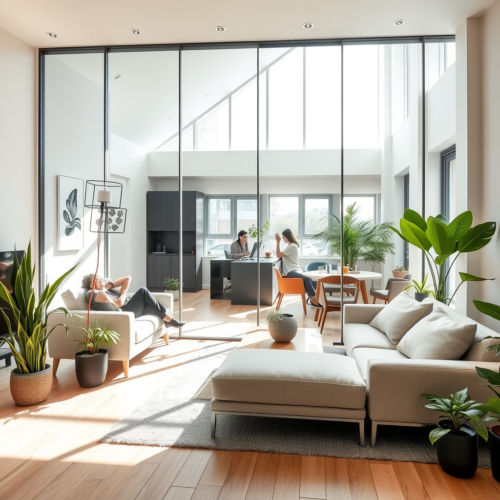
In today’s architectural landscape, the integration of glass wall systems presents a compelling solution for both residential and commercial spaces. The use of glass walls, whether as office partitions, entrance features, or exterior facades, not only enhances aesthetics but also enriches functionality. This article will explore the myriad benefits associated with the installation of glass wall systems and provide insights into their different applications.
Aesthetic Appeal and Natural Light
One of the most significant advantages of glass wall installations is their inherent aesthetic appeal. Glass walls create a modern, sleek look that can elevate the design of any space. By incorporating glass wall panels, property owners can seamlessly blend indoor and outdoor environments, creating a sense of openness that is often lacking in traditional wall structures.
Furthermore, glass walls maximise the entry of natural light. Natural illumination is proven to improve mood and productivity, making spaces feel more inviting. Offices fitted with glass wall office partitions, for example, benefit from an increase in daylight exposure, contributing to a vibrant working atmosphere. The ultimate result is a more pleasant environment that can enhance overall well-being.
A glass wall serves as a stunning architectural feature that enhances any space, offering an unobstructed view while inviting natural light indoors. Ideal for both residential and commercial environments, a glass wall can create a sense of openness and connection to the outside world. Whether you’re designing a modern home or a chic office, consider the impact of incorporating a glass wall into your plans. For inspiration, visit https://www.urbansquare.net/.
Versatile Space Management
Glass wall solutions offer unparalleled versatility when it comes to space management. In commercial environments, glass wall office partitions can be utilised to create private meeting areas while maintaining an open plan layout. This adaptability allows for the reconfiguration of spaces without the need for permanent structural changes.
The flexibility of glass walls extends to residential applications as well. Homeowners can opt for sliding glass wall systems that open up to patios or gardens, effectively extending living areas and facilitating seamless indoor-outdoor transitions. Such versatility makes glass wall systems an ideal choice for those looking to maximise space while still maintaining a stylish aesthetic.
FAQ: Glass Wall
What is a glass wall?
A glass wall is a structural element made primarily of glass, often used in building designs to create transparent barriers or partitions. It allows natural light to permeate spaces while maintaining a visual connection with the outdoors or between different areas within a building.
What are the benefits of using glass walls?
Glass walls offer several advantages, including:
- Natural Light: They maximise daylight in indoor spaces, reducing the need for artificial lighting.
- Aesthetic Appeal: Glass walls can enhance the beauty and modern appeal of any structure.
- Open Spaces: They create an illusion of more expansive areas and allow for better flow between rooms.
- Energy Efficiency: Depending on the type of glass used, they can contribute to energy savings by maximising sunlight and reducing heating costs.
Are glass walls safe?
Yes, modern glass walls are designed with safety in mind. They typically use tempered or laminated safety glass that is much stronger than regular glass. Additionally, safety standards regulated by local authorities must be adhered to during installation.
How do I maintain a glass wall?
Maintaining a glass wall involves regular cleaning to keep it free from dirt and smudges. Use non-abrasive cleaners and lint-free cloths for best results. For tough stains or scratches, consider consulting professionals specialising in window cleaning services.
Can I install a glass wall myself?
While some homeowners may attempt DIY installation of small interior frameless panels, it’s advisable to hire professional installers for larger projects due to complexities involving structural integrity, weight considerations, and adherence to local building codes.
What types of spaces are ideal for installing a glass wall?
Glass walls are versatile and can be installed in various settings such as:
- Residential homes (living rooms or dining areas)
- Commercial buildings (offices or storefronts)
- Public places (museums or galleries)Each space benefits differently depending on design elements incorporated along with the features offered by glazed surfaces.
Are there privacy options available for glass walls?
Yes! Privacy options include frosted or tinted glasses that obscure visibility while still allowing light penetration. Additionally, smart films which adjust transparency based on need have also gained popularity as innovative solutions for privacy control.
How energy-efficient are modern glass walls?
Modern advancements have led to energy-efficient glazing technologies such as low-emissivity coating (Low-E) which helps minimise heat loss in colder months while reflecting heat during warmer months; hence lowering HVAC costs significantly over time when installed correctly throughout buildings irrespective if they’re residential/commercial settings!
Enhanced Acoustic Performance
Contrary to common misconceptions that glass walls compromise sound privacy, modern glass wall systems can be designed to include acoustic insulation features. For instance, the use of double-glazed glass panels can markedly improve sound attenuation, making them an excellent choice for office environments where confidentiality is key. This attribute is particularly beneficial in settings where meetings or collaborative work require a level of privacy.
The right glass wall frame can further enhance sound performance, creating environments that are conducive to focused work while still benefiting from the visual connectivity that glass walls provide.
Energy Efficiency and Sustainability
In an era where sustainability is paramount, glass wall installations can contribute to energy efficiency. Many modern glass wall systems are designed with energy-efficient glazing that helps regulate indoor temperatures. As a result, buildings can reduce their reliance on artificial heating and cooling systems, thereby lowering energy costs and minimising carbon footprints.
Using glass wall exterior applications allows abundant natural light to flood in while simultaneously preventing unwanted heat loss during colder months. Additionally, advancements in glazing technology, including low-emissivity (Low-E) coatings, ensure that glass walls can passively contribute to an eco-friendly building environment.
Modernising Entrances
A glass wall entrance serves as a statement piece, welcoming visitors with transparency and elegance. Unlike traditional solid doors or walls that can create barriers, a glass entrance fosters a sense of openness and accessibility. Businesses often enhance their brand image by incorporating glass walls in their lobbies and entryways, projecting a forward-thinking approach and welcoming all who enter.
Moreover, a glass wall entrance can be designed to include automatic sliding doors, improving accessibility for individuals with mobility challenges. The aesthetics combined with functionality in an entrance way can significantly influence first impressions and the overall perception of a business.
Cost Considerations
When contemplating a glass wall installation, one cannot overlook the glass wall cost. While upfront investment may be higher than traditional wall systems, the long-term benefits often justify the expenditure. For businesses, the potential increase in productivity and employee satisfaction can translate into lower turnover rates and enhanced performance.
Furthermore, the durability of glass makes it a cost-effective long-term solution. Unlike conventional materials that may require regular maintenance or replacement, glass walls, when properly installed, offer longevity and minimal upkeep, ultimately yielding savings over time.
Customisation Options
Glass wall systems are incredibly customisable, allowing property owners to tailor their installations to meet specific needs and preferences. From various thicknesses and styles of glass wall panels to a range of frame materials, the design possibilities are virtually limitless. This customisation ensures that each installation can be uniquely suited to the environment it occupies, enhancing both functionality and aesthetics.
In selecting glass wall solutions, property owners can consider options such as frosted glass for added privacy, tinted glass for glare reduction, or even coloured glass to align with brand identity. Thus, the versatility in design not only accommodates functional needs but also personal and corporate branding requirements.
The transformative capabilities of glass walls extend beyond mere aesthetics; they redefine how spaces function and how users experience them. With their elegance, adaptability, and efficiency, glass wall systems offer a contemporary solution that meets the demands of modern living and working environments.